
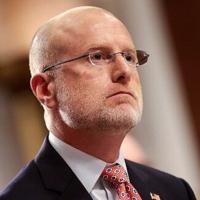

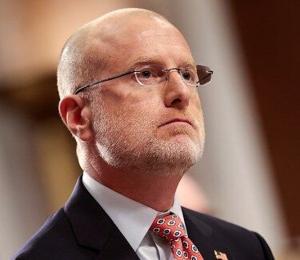
FCC Chairman Brendan Carr is touting what he calls a “historic” year of accomplishments at the Commission, highlighting sweeping deregulation, broadcast rule changes and internal reforms carried out in 2025 — while signaling more to come in the year ahead.
“2025 was a historic year for the FCC and I am proud of all the wins we were able to achieve for the American people,” Carr said in a statement. He credited the agency’s staff for delivering “great and efficient results” and added, “This is just the beginning. The FCC is firing on all cylinders, and we will build on this momentum to deliver even more wins in 2026.”
A centerpiece of the Chairman’s agenda was the launch of what the FCC describes as the largest deregulatory effort in its history. Under the banner “Delete, Delete, Delete,” the Commission undertook a comprehensive review of every rule, regulation and guidance document to identify unnecessary regulatory burdens. As a result, the FCC eliminated or proposed eliminating 1,108 rules and regulations in 2025, cutting nearly 135,000 words and more than 300 pages from the Code of Federal Regulations.
For broadcasters, the Commission removed 98 rules and requirements deemed obsolete or outdated — some dating back nearly 50 years — along with 11 additional provisions governing defunct technologies such as telegraph services, rabbit-ear receivers and telephone booths.
Carr also pointed to progress on clearing the FCC’s regulatory backlog, with the termination of a record 2,048 inactive dockets, the largest single closure of dormant proceedings in the agency’s history.
On the licensing front, the FCC processed more than 7,600 broadcast licensing matters, including hundreds of assignments, transfers and renewals and granted 84 construction permits for new FM, low-power radio stations and noncommercial TV.
Internally, the FCC ended its DEI initiatives, dismantled related advisory groups and returned the agency to full-time, in-person work, with 92% of employees now required to be back in the office. Carr said the Commission remains focused on holding broadcasters to their public interest obligations while enabling them to better serve local communities.
Source link